





Search engine optimization (SEO) is as critical for B2B companies as it is for B2C, but the strategies, metrics, and buyer journeys look a bit different. Whether you’re a marketing manager at a SaaS startup, an SEO freelancer pitching to procurement firms, or part of a digital agency servicing industrial clients, understanding B2B SEO services, learning from a concrete B2B SEO case study, and equipping yourself with the right B2B SEO tools will empower you to drive high-value leads at scale. In this deep dive, we’ll walk through everything you need to know, step by step, so that you can build or refine your B2B SEO playbook.
Let’s get started.
Table of Contents
- What Is B2B SEO
- The Difference Between B2B SEO and B2C SEO
- Why B2B SEO Is Unique
- Core B2B SEO Services Explained
- Step-by-Step B2B SEO Implementation
- B2B SEO Case Study: From Audit to Results
- Top B2B SEO Tools You Need
- Measuring Success and Key Metrics
- Common B2B SEO Pitfalls and How to Avoid Them
- Wrapping Up Your B2B SEO Journey
What Is B2B SEO?
At its core, B2B SEO (business-to-business search engine optimization) is the practice of optimizing a website so that it ranks highly for queries that professional buyers, rather than everyday consumers, type into Google, Bing, or other search engines. Unlike a retail store that might focus on “buy running shoes online,” a B2B company might target phrases such as “enterprise API management platform” or “bulk industrial packaging suppliers.”
Here’s what makes B2B SEO tick:
Audience & Intent
- Niche professionals: You’re speaking to procurement managers, IT directors, finance leads, and other stakeholders who undertake rigorous research before purchasing.
- Multi-stage funnels: They’ll search not only for educational content (e.g., “what is CRM integration”) but also for detailed comparisons (“best mid-market CRM vs. Salesforce”) and pricing or demo requests (“CRM integration pricing enterprise”).
Content Depth & Authority
- In-depth resources: White papers, case studies, datasheets, ROI calculators, and analyst reports demonstrate credibility. A blog post overview won’t cut it.
- Thought leadership: By publishing original research or detailed how-to guides, you position your brand as the industry authority, an essential trust builder in high-stakes, high-cost B2B transactions.
Technical & Structural Foundations
- Robust site architecture: Clear, logical URL structures and internal linking (think “topic clusters” around key solution areas) help both users and search bots navigate complex offerings.
- Performance & security: Fast load times, mobile-first design, and HTTPS security aren’t optional; slow or insecure B2B sites erode trust before a prospect even reads your headline.
Long-Term Relationship Building
- Lead nurturing: SEO pages often serve as entry points into broader nurture sequences like email drip campaigns, webinars, or personalized demos.
- Cross-channel amplification: Organic content frequently fuels LinkedIn posts, industry forums, and partner co-marketing, reinforcing your SEO investment.
In short, B2B SEO isn’t just about chasing traffic; it’s about attracting the right decision-makers, delivering them rich, authoritative content, and guiding them along a lengthy, often multi-stakeholder purchasing journey.
The Difference Between B2B SEO and B2C SEO
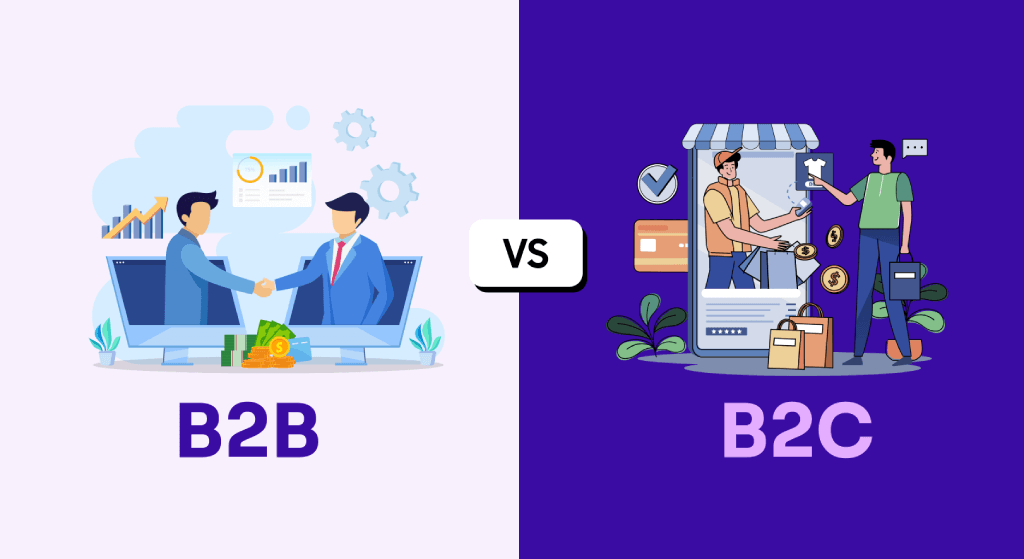
While the underlying SEO mechanics like keyword research, content optimization, link building apply across both B2B and B2C landscapes, the why and how shift significantly.
| Aspect | B2B SEO | B2C SEO |
| Target Audience | Industry professionals, multiple stakeholders, teams | Individual consumers, often single-person decision |
| Sales Cycle Length | Weeks to years (procurement, approvals, demos) | Days to weeks (impulsive to considered purchases) |
| Content Format | White papers, case studies, product demos, ROI tools | Listicles, product reviews, quick tutorials |
| Keyword Intent | Informational > Comparative > Transactional in-depth | Mostly transactional (“buy”, “discount”) or quick info (“how to”) |
| Value per Conversion | High (thousands to millions of dollars per sale) | Relatively low (retail price of a single item) |
| Volume vs. Precision | Lower search volume, higher precision and relevancy | Higher search volume, broader keyword reach |
| Trust Signals | Analyst citations, partner badges, case studies, reviews | User reviews, star ratings, social proof |
| Link Building Focus | Industry publications, academic/analyst sites, partner blogs | Consumer blogs, influencers, news outlets |
| Measurement Metrics | Pipeline value, SQLs (sales qualified leads), demo requests | Cart additions, coupon redemptions, direct sales |
Key takeaway:
- B2B SEO is a precision-driven, relationship-oriented strategy focused on educating and convincing multiple decision-makers over longer sales cycles.
- B2C SEO often emphasizes broad reach, quick conversions, and impulse-driven purchases.
Because B2B buyers invest more time and money per purchase, your SEO approach must be equally rigorous with deeper content, finely targeted keywords, and a strong emphasis on authority and trust signals. Understanding these differences ensures your strategy aligns with the unique dynamics of the B2B marketplace.
Why B2B SEO Is Unique
In a B2C context, buyers often make quick, emotion-driven purchasing decisions; think impulse buys and discounted sneakers. B2B, on the other hand, involves:
- Longer sales cycles: Multiple stakeholders, procurement approvals, and budgeting processes can stretch decision-making to months or even years.
- Niche audiences: You’re targeting specific roles (e.g., IT managers, procurement directors) rather than mass-market consumers.
- High-value contracts: Individual conversions are worth thousands or tens of thousands of dollars.
- Complex content needs: Buyers need in-depth resources, white papers, case studies, and ROI calculators to justify investments.
All of this means your SEO must focus on attracting the right traffic (not just high volume), building credibility, and guiding prospects through each stage of the funnel. B2B SEO is less about quick wins and more about a sustained, authoritative presence.
Core B2B SEO Services Explained

When vendors or agencies pitch B2B SEO services, they typically bundle a range of offerings designed to work in concert. Let’s break them down:
Technical SEO Audits
What it is: A full scan of your website to identify crawlability issues, broken links, slow pages, mobile-responsiveness gaps, structured data errors, and more.
Why it matters: Even the best content can’t rank if search engines can’t crawl or interpret it properly.
Key deliverables:
- XML sitemap review and optimization
- Robots.txt configuration
- Mobile-first and Core Web Vitals analysis
- HTTPS:// enforcement and security checks
- URL structure & canonical tag setup
Keyword Research & Strategy
What it is: Pinpointing the terms your target personas use at each stage, which include awareness, consideration, and decision.
Why it matters: B2B buyers have specific terminology: “enterprise CRM integrations” vs. “small business CRM.” Matching intent is crucial.
Key deliverables:
- Seed keyword list from stakeholder interviews
- Competitive keyword gap analysis
- Search intent mapping (e.g., “what is X” vs. “X pricing”)
- Keyword prioritization matrix
On-Page Optimization
What it is: Fine-tuning individual pages for target keywords and user experience.
Why it matters: On-page factors, which are title tags, meta descriptions, header hierarchy, and internal linking, signal content relevance to search engines.
Key deliverables:
- SEO-friendly title & meta description templates
- Header (H1–H3) optimization guidelines
- Image alt-text and file-name conventions
- Internal link strategy (pillar pages & topic clusters)
Content Development & Content Marketing
What it is: Creating authoritative, in-depth assets like blog posts, case studies, white papers, and data-driven research.
Why it matters: B2B buyers seek thought leadership and proof points. Content fuels top-of-funnel awareness and mid-funnel nurturing.
Key deliverables:
- Content calendar mapped to keyword clusters.
- Asset production (40–60 pages or posts per quarter, e.g.)
- Guest blogging and PR outreach plan
Link Building & Digital PR
What it is: Earning high-quality backlinks from industry publications, partner websites, and authoritative blogs.
Why it matters: In B2B, domain authority carries even more weight; each link can be a powerful signal of trust.
Key deliverables:
- Link prospecting list
- Outreach email templates
- Sponsored research campaigns (e.g., proprietary surveys)
- Partnership/co-marketing agreements
Conversion Rate Optimization (CRO)
What it is: A/B testing, heatmap analysis, and form optimization to turn SEO traffic into qualified leads.
Why it matters: With high-value sales, even small lifts in form fills or demo requests can drive significant revenue gains.
Key deliverables:
- Lead magnet creation (checklists, templates)
- Landing page redesigns & testing.
- HubSpot/Marketo/Capterra integration audits
Step-by-Step B2B SEO Implementation

Ready to roll up your sleeves? Here’s a six-phase roadmap you can follow:
Phase 1: Discovery & Audit (Weeks 1–2)
- Stakeholder Interviews: Talk to sales, product, and customer success to understand pain points and language.
- Technical Audit: Run tools like Screaming Frog, Google Search Console, and Lighthouse. Document all issues in a spreadsheet.
- Current Metrics Snapshot: Note baseline organic traffic, keyword rankings, backlinks, and conversion rates.
Phase 2: Keyword & Content Strategy (Weeks 3–4)
- Seed and Expand: Use Ahrefs, SEMrush, or Ubersuggest to expand your seed list.
- Intent Mapping: Label each keyword as Awareness, Consideration, or Decision stage.
- Content Calendar: Draft titles, formats, and publication dates for the next 3–6 months.
Phase 3: On-Page Overhaul (Weeks 5–8)
- Priority Pages First: Optimize the top 10 pages that drive the most traffic.
- Title & Meta Updates: Incorporate primary keywords, keep within character limits.
- Internal Linking: Create a “hub and spoke” model, linking pillar pages to related articles.
Phase 4: Content Production & Publication (Ongoing)
- Batch Writing: Produce in 2–3 batches per month, long-form articles, how-to guides, and case studies.
- Visuals & Data: Embed charts, screenshots, and original research (even a simple survey adds credibility).
- Distribution: Share new content in LinkedIn groups, industry forums, and your email newsletter.
Phase 5: Link Acquisition & PR (Months 3–6)
- Prospect Outreach: Send personalized pitches offering data or expert quotes.
- Content Partnerships: Co-author reports with complementary service providers.
- Digital PR Stunts: Launch small proprietary studies (e.g., “2025 State of B2B SaaS SEO”).
Phase 6: CRO & Iteration (Ongoing)
- Heatmap & Behavior Analysis: Tools like Hotjar or CrazyEgg to uncover form drop-offs.
- A/B Testing: Test headlines, CTAs, and form lengths.
- Quarterly Reviews: Compare KPIs against baseline; adjust strategy for next quarter.
B2B SEO Case Study: From Audit to Results

Let’s look at a hypothetical case study, but one grounded in real-world tactics.
Client Profile
- Industry: Enterprise Cybersecurity Software
- Annual Revenue: $20M
- Challenges: Stagnant organic traffic; high bounce rates on product pages; low-quality demo requests.
Phase 1: Audit Findings
- Technical Issues: 30% of pages are not mobile-friendly; slow server response times; missing XML sitemap entries.
- Keyword Gaps: No content targeting “cybersecurity ROI calculator” or “best cybersecurity tools for mid-market.”
- Backlink Profile: Heavy reliance on vendor directories; zero links from industry journals or analyst sites.
Phase 2: Strategy & Execution
- Technical Fixes: Improved site speed from 3.5s to 1.8s; implemented responsive design.
- Content Hub: Launched a “Cybersecurity Resource Center” with pillar page and cluster articles (e.g., “What is Zero Trust?”).
- Interactive Tool: Built an ROI calculator that prospects could embed on their site, earning natural backlinks.
- PR Outreach: Secured guest articles in DarkReading and CIO.com, gaining 12 high-authority links.
Phase 3: Results (After 9 Months)
- Organic Traffic: +145% (from 12K to 29K sessions/month)
- Demo Requests: +82% increase in monthly demo form submissions
- Keyword Rankings: 15 new keywords in top 3 positions, including “enterprise cybersecurity solutions”
- Backlinks: 45 new referring domains with DR 50+
Key Takeaway: A holistic B2B SEO service addressing technical health, content depth, and authoritative link building, which drove both volume and quality.
Top B2B SEO Tools You Need
Having the right toolkit accelerates every phase. Here are our top picks:
| Tools | Purpose | Why It’s Great for B2B |
| Queryquake | All-in-one SEO suite | Competitor, keyword and technical tools. |
| Ahrefs | Keyword research, backlink analysis | Massive database; “Content Gap” feature |
| Screaming Frog | Technical site crawler | Deep crawl for JavaScript sites, redirects |
| Google Search Console | Performance reports, index coverage | Direct from Google; free alerts |
| Hotjar / CrazyEgg | Heatmaps, session recordings | UX insights for CRO |
| Surfer SEO | Content optimization based on SERP data | Real-time content scoring; helps with topical depth |
| BuzzSumo | Content research & influencer discovery | Find trending topics; track share metrics |
| Pitchbox | Outreach automation | Scales personalized link outreach |
| Google Data Studio | Reporting dashboards | Custom KPIs, integrates with GA & Search Console |
| MarketMuse | AI-driven content gaps & topic modeling | Ensures comprehensive coverage of complex topics |
| Kariux AI | Content creation and optimization base on SERP | Real-time content scoring; helps with topical depth |
Each of these tools has a learning curve, but together they form a robust ecosystem that supports every facet of B2B SEO services from discovery to measurement.
Measuring Success and Key Metrics
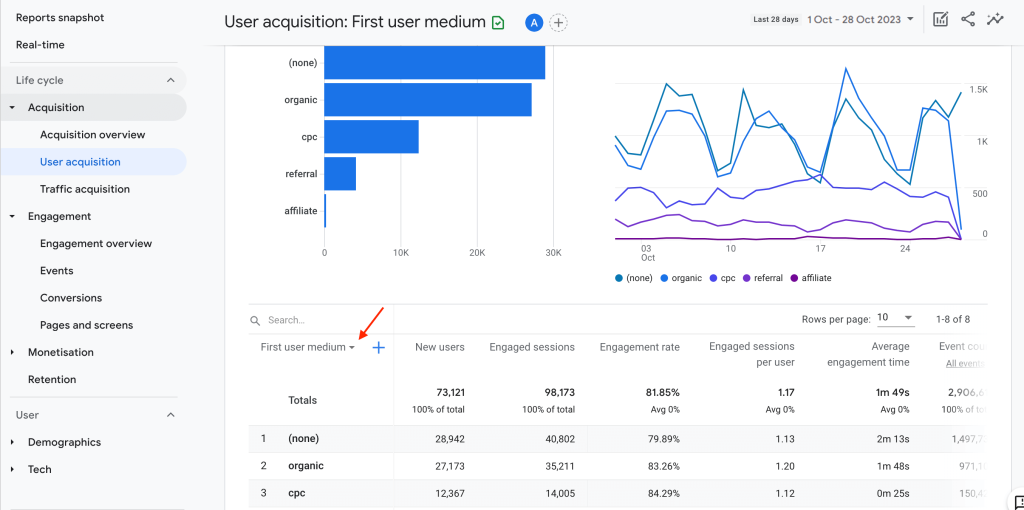
In B2B SEO, the classic vanity metrics (total sessions, raw backlinks) tell only part of the story. Here’s what to prioritize:
- Qualified Traffic
- Measure sessions from target industry segments or job titles (using UTM parameters or GA4 audience filters).
- Conversion Quality
- Track demo requests, RFP downloads, or trial signups rather than generic newsletter signups.
- Sales Pipeline Impact
- Use CRM attribution to connect SEO-sourced leads to revenue; look at SQLs (Sales Qualified Leads).
- Keyword ROI
- Assign revenue estimates to high-value keywords (e.g., “enterprise API management”).
- Domain Authority & Brand Lift
- While DR/DA is helpful, also monitor branded searches and direct traffic growth as proxies for brand awareness.
Regularly review these in a quarterly dashboard, set up automated reporting in Google Data Studio or your BI tool of choice.
Common B2B SEO Pitfalls and How to Avoid Them
Even experienced teams can stumble. Watch out for:
- Over-Optimization: Keyword stuffing and unnatural internal linking can trigger Google penalties. Keep content reader-first.
- Neglecting Technical Debt: Launching new campaigns on an unoptimized site only amplifies issues. Always start with an audit.
- One-Off Link Campaigns: Buying bulk links or relying on low-quality directories yields short-term gains, long-term risk. Focus on evergreen relationships.
- Ignoring Stakeholder Buy-In: B2B SEO needs collaboration with sales, product, and leadership; ensure goals are aligned.
- Underinvesting in CRO: Driving traffic without optimizing conversion paths wastes budget. Pair SEO wins with landing page improvements.
Wrapping Up Your B2B SEO Journey
B2B SEO is anything but “set it and forget it.” It’s a continuous cycle of auditing, optimizing, creating, promoting, and measuring. Whether you engage specialist B2B SEO services, run the strategy in-house, or partner with a hybrid agency model, the key pillars remain:
- Solid technical foundation
- Intent-aligned keyword strategy
- Compelling, authoritative content
- High-quality link acquisition
- Data-driven CRO and analytics
Use the blueprint and tools outlined here as your launching pad. Remember our case study: even complex, enterprise-level clients can see triple-digit growth in traffic and leads when each phase is executed thoughtfully.
Now it’s your turn. Start with a mini-audit today, identify one technical issue, one content gap, and one low-hanging link opportunity. Tackle them this week, and you’ll be well on your way to mastering B2B SEO for lasting business growth.